

Fall brings cooler temperatures, colorful leaves, and the beginning of the holiday season. It is also one of the best times to prepare your home for winter weather.
A little preventive maintenance now may help you avoid frozen pipes, water damage, heating problems, fires, and other costly surprises later. Use this fall home maintenance checklist to help protect your home, family, and insurance coverage.
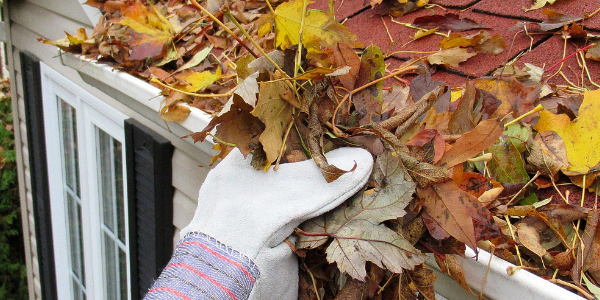
1. Clean Your Gutters and Downspouts
Leaves, twigs, and debris can block gutters and prevent water from draining properly. When water backs up, it may damage your roof, siding, foundation, or interior walls.
Before winter arrives:
- Remove debris from gutters.
- Check for loose or damaged sections.
- Make sure downspouts direct water away from the foundation.
- Inspect gutter connections for leaks.
- Consider gutter guards if falling leaves are a recurring problem.
In colder climates, clogged gutters may also contribute to ice dams. These form when melting snow refreezes near the edge of a roof, potentially forcing water beneath the shingles.
2. Inspect Your Roof
Your roof is one of your home’s most important defenses against wind, rain, snow, and falling debris. Small problems can quickly become serious once winter weather begins.
Look for:
- Missing, cracked, or curling shingles
- Damaged flashing around vents and chimneys
- Sagging areas
- Moss or heavy debris
- Signs of water inside the attic
- Loose branches hanging over the roof
Consider hiring a qualified roofing professional if you cannot inspect the roof safely. Never climb onto a wet, icy, or steep roof.
Remember that homeowners insurance generally covers sudden and accidental damage from covered events. It typically does not pay for deterioration caused by age, poor maintenance, or normal wear and tear.
3. Schedule a Heating-System Checkup
Do not wait for the first freezing night to discover that your furnace is not working properly. A professional inspection can help identify worn components, airflow problems, and safety concerns.
You should also:
- Replace or clean the furnace filter.
- Test the thermostat.
- Clear items away from heating equipment.
- Vacuum dust from vents and registers.
- Make sure exterior vents are unobstructed.
- Have chimneys and fireplaces inspected and cleaned when needed.
Regular maintenance may improve efficiency, reduce energy costs, and lower the risk of a heating-related fire.
4. Test Smoke and Carbon Monoxide Alarms
Homes are often closed more tightly during fall and winter, while fireplaces, furnaces, and portable heaters receive more use. That makes working smoke and carbon monoxide alarms especially important.
Test every alarm and replace batteries when necessary. Replace alarms that have reached the end of their recommended service life.
Your family should also have a fire escape plan that identifies:
- Two possible exits from each room
- A meeting place outside
- A plan for children, older adults, and pets
- The location of fire extinguishers
- Who will call emergency services
A working alarm may provide the extra moments your family needs to escape safely.
5. Protect Your Pipes From Freezing
Frozen pipes can burst and release a large amount of water into your home. Pipes located in basements, crawl spaces, garages, exterior walls, and unheated areas may be particularly vulnerable.
Before temperatures fall:
- Insulate exposed water pipes.
- Seal openings that allow cold air to reach plumbing.
- Disconnect and drain outdoor hoses.
- Shut off exterior water lines when appropriate.
- Know where your main water shutoff valve is located.
- Keep indoor temperatures at a safe level, even while traveling.
If extremely cold weather is expected, opening cabinet doors beneath sinks can help warm air circulate around the plumbing. A small drip from a vulnerable faucet may also help relieve pressure, but consult a plumbing professional for advice appropriate to your home and climate.
6. Seal Windows and Doors
Gaps around windows and doors allow warm air to escape and cold air to enter. They can also allow moisture and pests into the home.
Walk around the interior and exterior of your house and look for:
- Cracked caulking
- Damaged weatherstripping
- Gaps around doors
- Loose window frames
- Cracks around utility openings
- Areas where daylight is visible
Caulking, weatherstripping, and door sweeps are relatively inexpensive improvements that may make your home more comfortable and energy-efficient.
7. Prepare Your Fireplace and Chimney
A fireplace can make a fall evening feel warm and inviting, but creosote buildup, blocked chimneys, and damaged components can create serious hazards.
Before using your fireplace:
- Schedule a chimney inspection and cleaning.
- Check the damper.
- Use a sturdy fireplace screen.
- Burn only dry, seasoned wood.
- Keep furniture and decorations a safe distance away.
- Place ashes in a metal container with a tight-fitting lid.
Never leave a fire unattended, and do not dispose of ashes until they are completely cool.
8. Trim Trees and Remove Yard Hazards
Branches weakened by age, disease, or storms may fall under the weight of wind, rain, snow, or ice. They can damage roofs, vehicles, fences, utility lines, and neighboring property.
Inspect trees around your home and remove:
- Dead or damaged branches
- Limbs touching the roof
- Branches hanging over driveways
- Vegetation blocking walkways
- Leaves that create slipping hazards
- Dead plants located near exterior walls
Large or high branches should be handled by a qualified tree-care professional. Avoid working near power lines.
9. Improve Outdoor Lighting and Walkway Safety
Days become shorter during fall, which means family members and visitors may arrive after dark. Good lighting can help prevent falls and discourage unwanted activity around your home.
Check:
- Porch and entry lights
- Motion-activated security lights
- Steps and handrails
- Driveways and walkways
- Loose pavers or uneven concrete
- Accumulated wet leaves
- House numbers visible from the street
Keeping entrances clear and well-lit is a simple way to improve both safety and security.
10. Store Outdoor Equipment Safely
Patio furniture, grills, gardening tools, and recreational equipment should be cleaned and secured before winter.
Fall is a good time to:
- Store or cover patio furniture.
- Clean and safely store gardening tools.
- Secure trampolines and outdoor play equipment.
- Drain fuel or follow manufacturer storage instructions for lawn equipment.
- Move flammable materials away from heating sources.
- Never store propane cylinders inside the home or an attached garage.
If you use a generator, review its operating instructions before an emergency. Generators should always be operated outdoors and safely away from windows, doors, and vents.
11. Create a Home Inventory
A home inventory is a detailed record of your personal belongings. It can be extremely helpful if you experience a fire, theft, or major property loss.
Walk through each room and record:
- Furniture
- Electronics
- Appliances
- Clothing
- Tools
- Jewelry
- Collectibles
- Sporting equipment
- Other valuable belongings
Take photographs or video and save receipts for larger purchases. Keep copies of the inventory somewhere other than your home, such as secure cloud storage.
12. Review Your Homeowners Insurance
Home values, repair costs, and personal belongings can change over time. Your insurance should change with them.
Ask your insurance agent to review:
- Dwelling replacement-cost limits
- Personal-property coverage
- Loss-of-use coverage
- Water and sewer backup protection
- Service-line coverage
- Equipment breakdown
- Flood and earthquake exclusions
- Jewelry and other valuable-item limits
- Personal liability and umbrella insurance
- Discounts for alarms, updated systems, or bundled policies
Do not assume every type of water or weather damage is automatically covered. Flooding, sewer backups, maintenance problems, and gradual deterioration may be excluded or require additional coverage.
Prepare Now and Enjoy the Season
Fall home maintenance is about more than checking items off a list. It is about protecting the place where your family lives and reducing the likelihood of costly disruptions during the colder months.
A few hours spent cleaning gutters, inspecting the roof, servicing the furnace, and protecting pipes could prevent a much larger problem later.
This fall, take time to prepare your home and contact your local independent insurance agent for a coverage review. Together, you can identify potential gaps and make sure your protection is ready for the season ahead.